This site is not a shop. Prowse & Hargood ceased trading and the company behind it was dissolved. This collection covers the house's shirts, cloth and craft. Nothing here is for sale, no order can be placed, and no prices, ordering routes or contact details are provided. More about Prowse & Hargood.
Caring for Cotton Shirts and Silk Ties
Good shirting is not delicate, but it is specific. Prowse & Hargood published a short set of care instructions with everything it sold; the reasoning behind each one is set out here at slightly greater length.
Washing a cotton dress shirt
To ensure that your shirt remains in the best possible condition, remove the collar stiffeners before washing and check the care label on the shirt. For best results, wash at 40°C — unless otherwise stated on the product — with a light spin, so that the shirt retains some dampness.
Each of those is doing work. Collar stiffeners are plastic strips; left in through a hot wash and a spin they distort, and a distorted stiffener will crease the collar it was meant to keep flat, sometimes permanently. Forty degrees is hot enough to shift ordinary body soil from cotton without accelerating the shrinkage or fading you get above sixty. And a light spin matters because a heavily spun shirt comes out compressed into hard creases that then have to be ironed out of dry cloth, which is much harder work than pressing damp cloth flat.
Drying and ironing
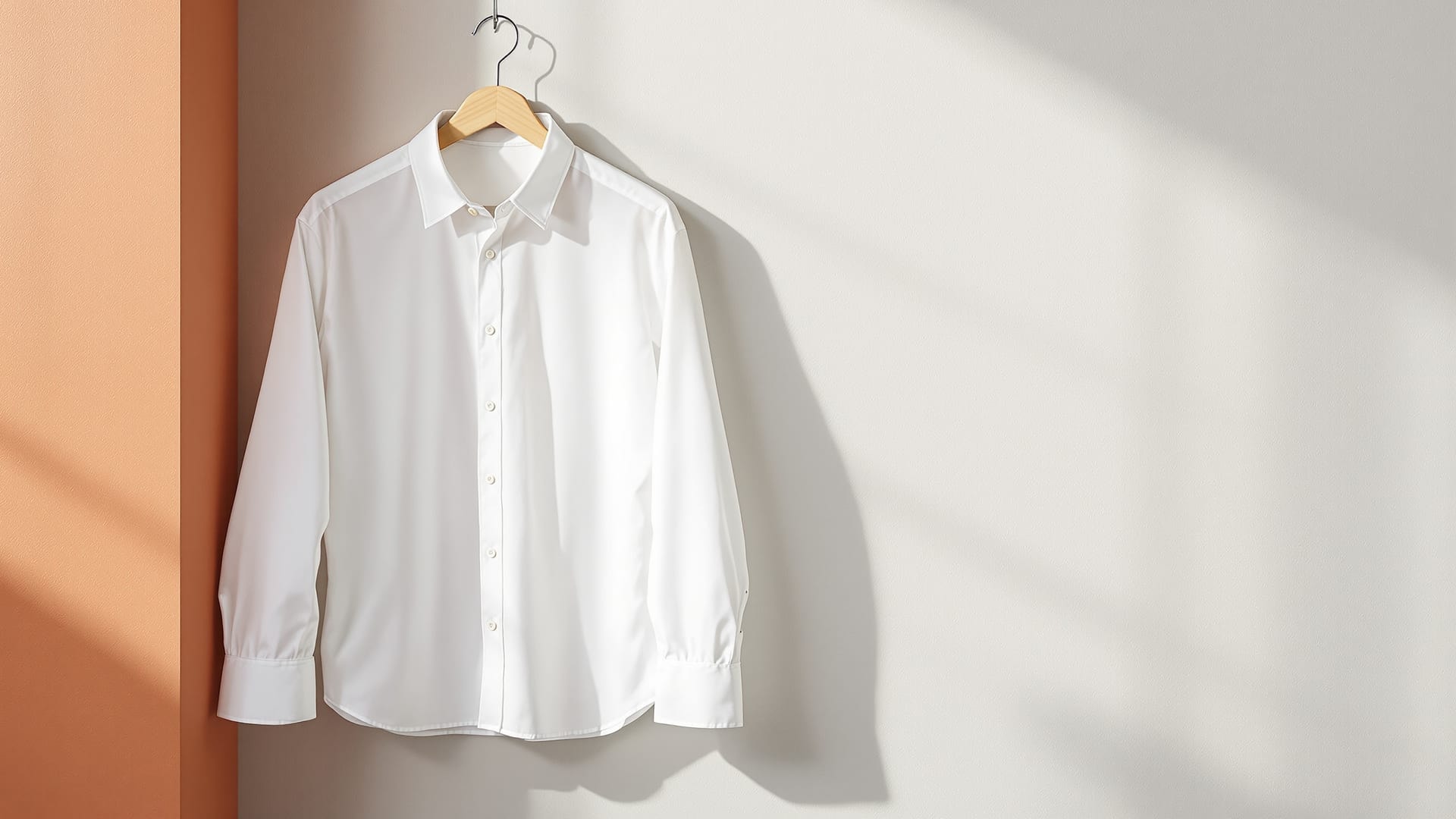
Tumble-drying is not recommended. Hang the shirt instead, on a hanger, buttoned at the collar so the neck keeps its shape. A tumble dryer applies heat and mechanical agitation at once, which is the combination that shrinks cotton and, over time, is what makes a fused collar bubble.
Iron your shirts while they are still slightly damp. Residual moisture in the fibre turns to steam under the plate and lets the weave relax flat; the same shirt ironed bone dry needs a hotter plate and more passes, and still holds a shadow of the crease. Work from the small parts outward — collar, then cuffs, then sleeves, then yoke, then body — so that nothing already pressed is crushed by what comes after.
Caring for woven silk ties
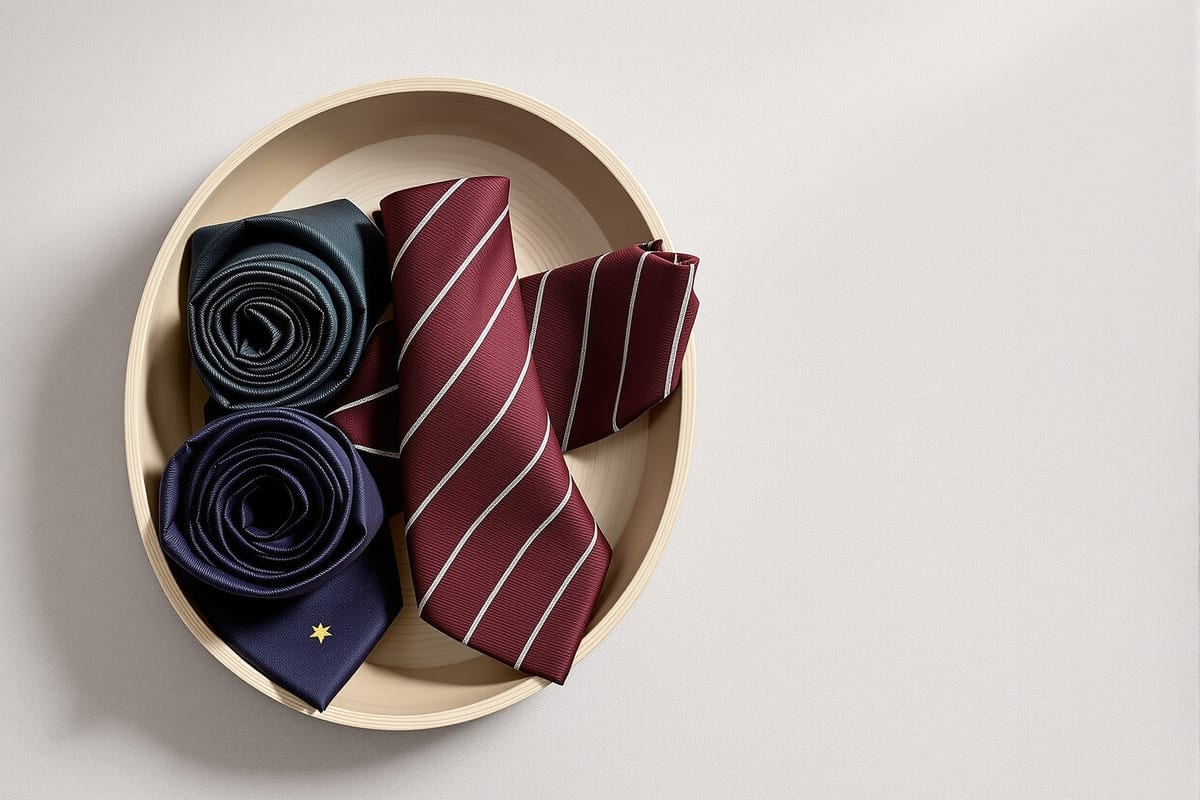
Always store your ties untied. A knot left in overnight sets into the bias-cut silk and the tie carries the mark of it thereafter. Roll ties loosely when you are not wearing them — this reduces creases and restores their natural bounce — or hang them over a rail where nothing pulls on the blade.
You can use reputable stain-removing products on a tie, but a professional dry cleaner is the safer course. Silk is a protein fibre, woven ties are lined and interlined, and a tie is cut on the bias precisely so that it will stretch: soak one and rub at it and you can pull the blade permanently out of true. If something is spilt, blot rather than rub, and deal with it dry.
Shrinkage allowance
Cotton is a natural fibre and is therefore likely to shrink slightly over the first few washes. Because of this the house included a shrinkage allowance when producing its shirts, so that a new shirt may initially be slightly larger than you expect. After a couple of washes it reverts to the size stated on the label.
This is worth knowing before you decide a shirt is the wrong size. Judge the fit after the third wash, not out of the packet — and see the sizing guide if you are measuring an existing shirt to buy another.
Storage between wearings
Hang shirts on a hanger wide enough to support the shoulder rather than pinching it, and leave a little air between them; cotton stored compressed picks up creases at the fold. Fasten the top button and one at the middle of the placket so the front hangs straight. Do not store shirts in the thin plastic a laundry returns them in — it traps moisture against the fibre.
Further reference
Textile care symbols on the label follow an international scheme maintained by GINETEX, the body responsible for the care labelling system used across Europe, and the underlying fibre properties that make cotton shrink and silk stretch are set out plainly by the Textile Institute. If a term on this page is unfamiliar, the glossary defines it.